
R e a d i n g s
Poetry, that slow green fire,
In which even death is dying
To begin again.
—from “A Strangler’s Life”
Winter in the High Country
(All the Pretty Horses; The Painted Horses)
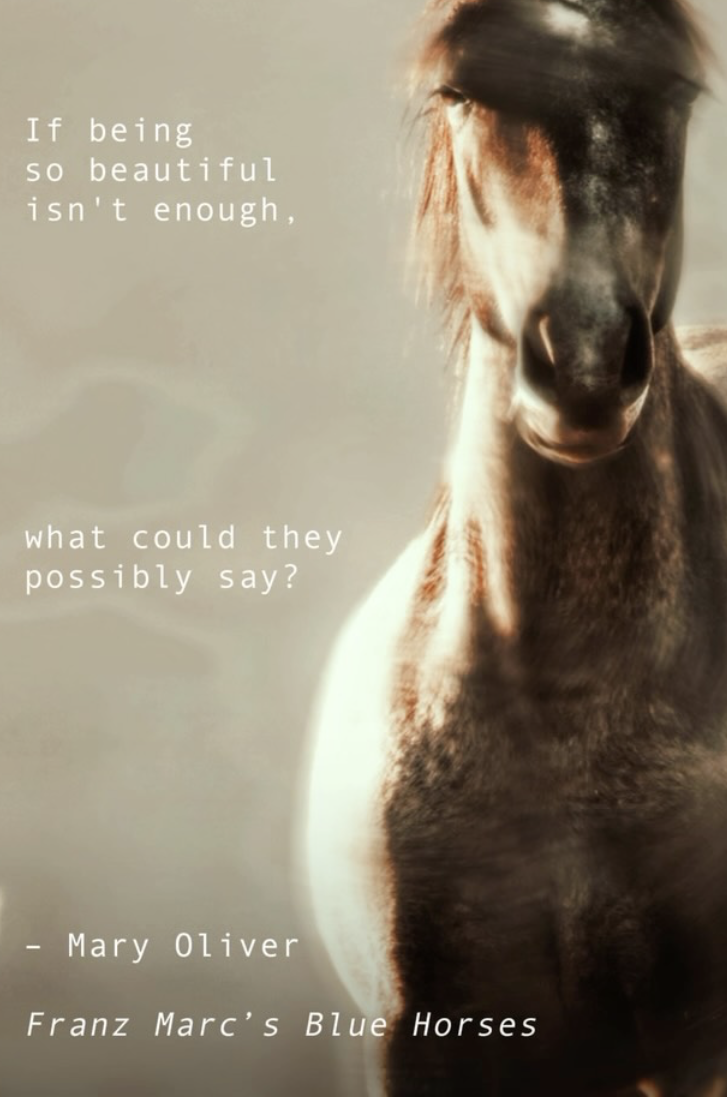
Photo credit: Kiki Sjöberg
If being so beautiful isn’t enough, what
could they possibly say?
—Mary Oliver, “Franz Marc’s Blue Horses”
T H E Y E A R that winter almost failed
to come, they shot the horses from the high country.
Culling, they called it: snipers with semi-automatics,
hanging from choppers,
peppering the horses as they ran, families, bands, foals and solitaries, paints
and buckskins and appaloosas, as many as they could flush out
from the trees.
The pictures the protestors risked their lives to shoot
revealed agonies and horrors, and the engines of government
and the forces of ignorance worked to keep them
from our screens.
The landmass has bad form
with massacres: so many the place has known
and willed itself to forget: clearing out those whose freedom offended
smarter designs upon their land.
Wild, they called them, these ponies,
and less kind names. Their wildness, in which much of their beauty inheres,
is what did them in,
but for many thousand years
they civilised us. If you look, you will see great cities in their eyes.
Former worlds they helped us make, silk roads.
Feral is what we call things we need to hate—
for keeping, very often, what we have lost: integrity, for instance,
grace, courage. The wild horses are what poetry is; they know
what it knows (another reason a world that runs on story
needs them stilled). Their forms,
a fire on a hearth.
Look at them tonight—all those years
since settlers found the cold and heathy granite ridges,
sacred and abundant to Monaroo forever,
all that ungrazed pasture, and they brought the horses in
to help—look at them running tonight, this remnant band, running
the ragged downs at a canter under coming cloud,
buckshot by the yellow moon.
Is not this how
we had meant to live, the joy we’d hoped to feel,
the selfhood, the awe: a mob of us,
the light swelling before it fades, winter
failing yet to come?
~
And when, this same vermillion dusk, further north
in polite and settled country, we draw
up at the gate, our two yearlings, the buckskin
and her suave half-sister,
gambol loose-limbed down the slope
at a stupid speed, their many legs moving like the edge of the trees in a riot
of katabatic air; and in their eyes, when they greet us,
I think I see (along with the hope
of a quick late workout and carrots
at the end of it) the sorrow of a sallow moon,
and confusion at the way
of things, the cruelties, the fear of freedom,
the distaste for delight, the capacity the humans have—
those skiers and walkers and fishers and hunters and schemers—
for such forgetting, for such unkind calculus,
in which some lives are given value and others are not;
in their eyes there swills a sadness
at the wreckage they’ve heard rumoured in the breezes
and the fields. In the treacle of their eyes,
mischief and mercy,
and a timid bleak awareness
of their luck.
Download poem here
Walking Underwater
Listen to Walking Underwater here
Five Soft Nets: A Coledale Sonnet Cycle
Reading from the Canberra launch of Mark’s latest poetry collection, A Beginner’s Guide, December 2022.
Qinghai Poetry Festival
Reading at Qinghai Poetry Festival Xi'ning, China, June 2023
So Far
Music Calvin Bowman
Filmed by Jia
Love Haiku
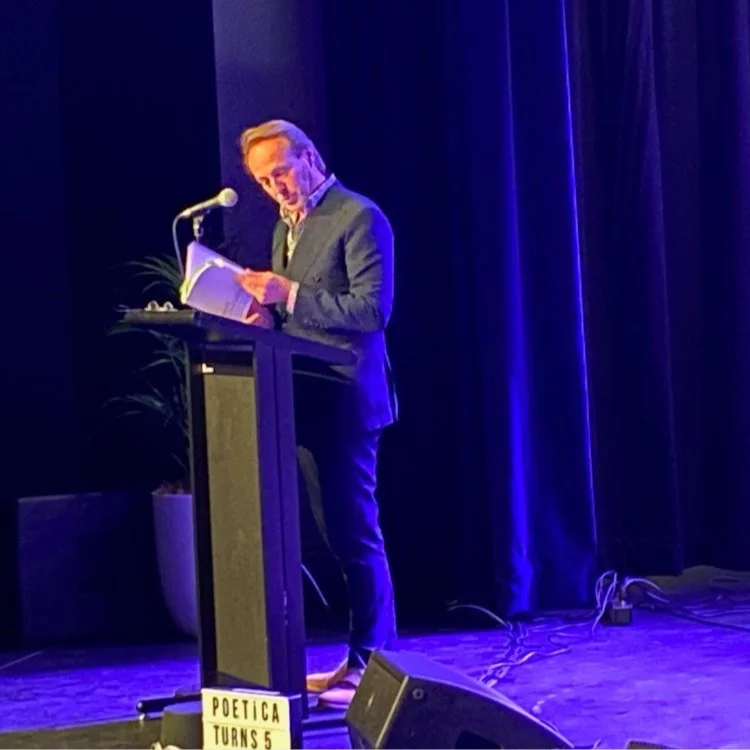
Poetica Founder Miriam Hechtman curated The Beach that Speaks, a poetry and music event at Bondi Pavillion in celebration of Poetica’s 5th birthday.
So Far Recital
"So Far" an afternoon of piano and poetry with Calvin Bowman and Mark. Soprano voice by Miriam Whiting-Reilly. Named for a new piano work by Calvin Bowman, which receives its Melbourne premiere—a piece commissioned for Mark’s recent sixtieth birthday, responding to “So Far,” a love poem written for Jodie Williams, from Mark’s recent collection Walking Underwater. Mark and Calvin performed a small program of poems and piano works and reflected on the role of the lyric in an age of flattened prose, and chatted a little on the themes that organise Mark’s new book—how to live a life of presence, eternally renewed, informed also by the wisdom and humility carried into the present moment by forms and practices learned across a lifetime and from other times and ways than these.
Blue Square Event
“A Beginner’s Guide”: An evening of poetry, song & art at the Bowral Art Gallery as part of the Blue Square Exhibition Featuring acclaimed poets Dimitra Harvey & Mark Tredinnick, and new music—settings of poems from Mark’s brand-new book A Beginner’s Guide—from “Teddychook” (Russell Tredinnick & the Tred Family Singers). The proceeds were donated to CanAssist Southern Highlands to support people living with cancer.
Flat Rock, September
A Fistful of Chords and a Lightness of Touch
The Godwit
Why You’re Here
Gaudeamus Igitur
The Godwit Shores
Sometimes Peace

Telling It Slant
First Light
When I Was Lost
Four Rooms
Soft Bombs
Litany: An Elegy
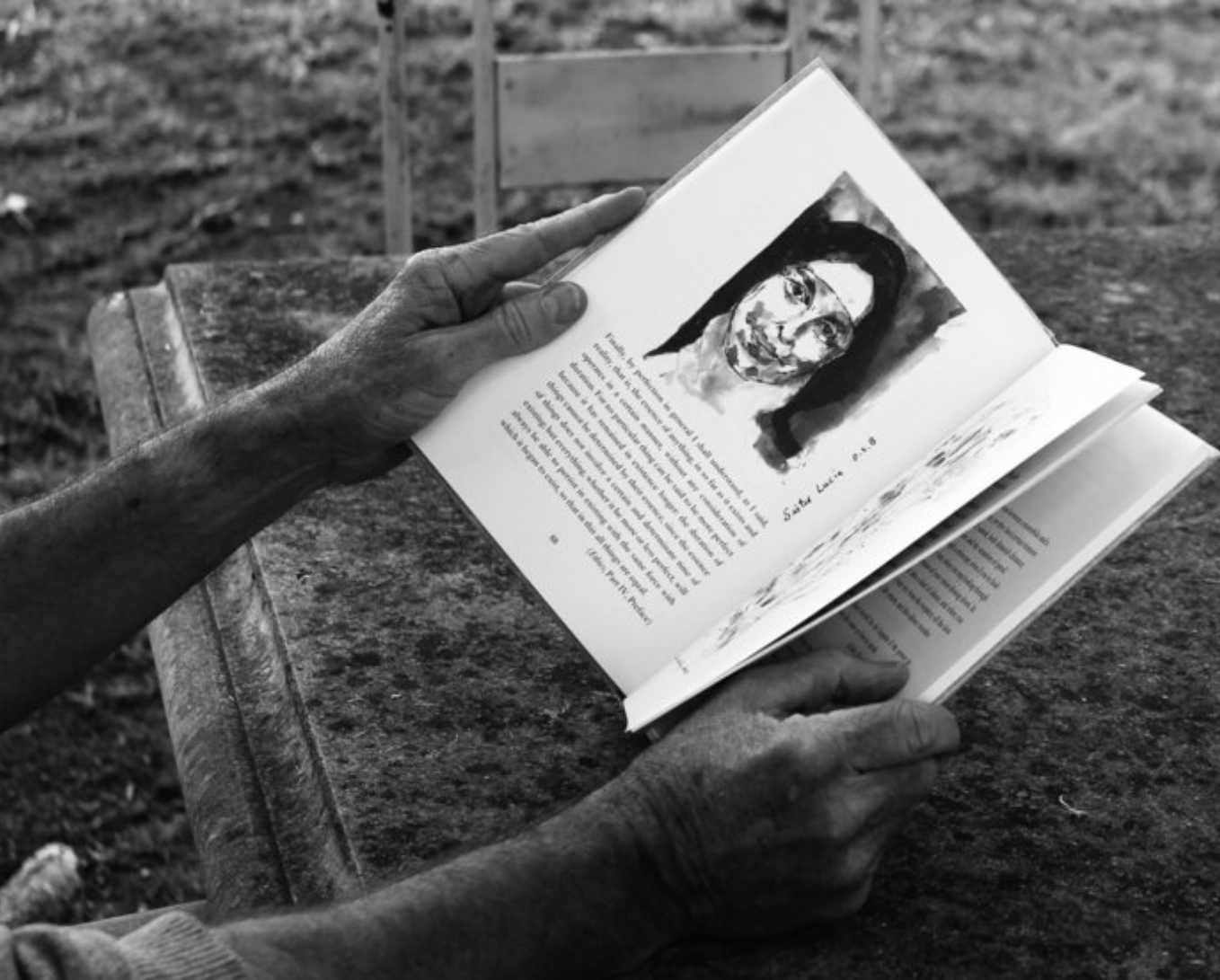
Bluewren Cantos
A Gathered Distance
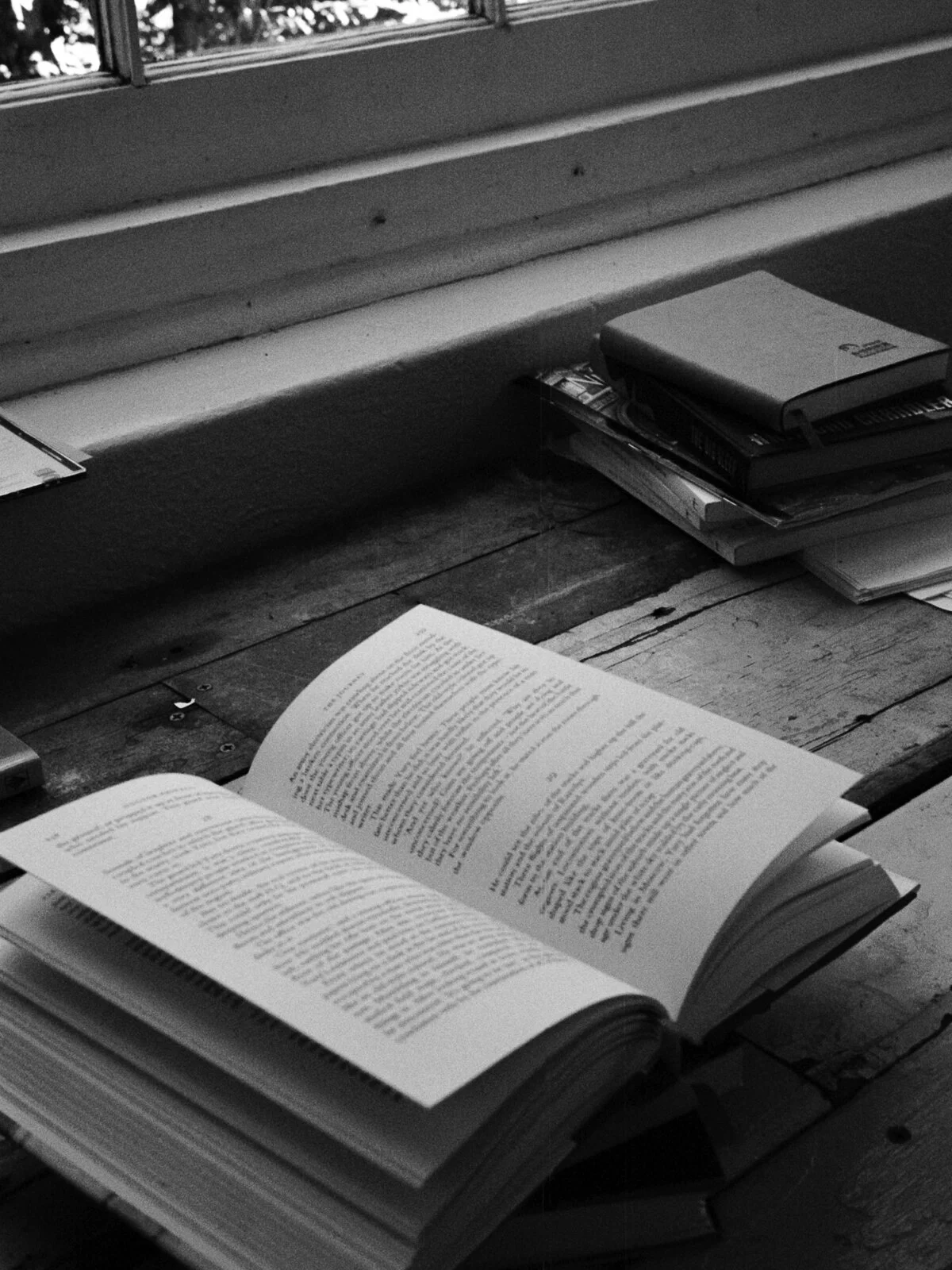
Time Passages
My poem, “Time Passages,” named in part for a pop song I used to love, responds to a commission from my friend the composer Alan Holley to write a poem from which he might spawn a choral work; it is what came to mind in five-beat lines this last hot summer in answer to theme the Australian Chamber Choir wanted him to work with in this new work he’s made for them. I came to think of that theme, the beaching of time on eternity’s shore as an ecotone where two orders of existence, two aspects of every life— “one like an ocean; the other, a shore”—crash and coalesce but never cohere. That littoral zone is what “Time Passages” is; what it tries to sing is what eternity will not stop saying to time.
Specifically, the poem considers the moment when time arrived in the pockets and on the brows of Cook and Banks and their men. It mourns the doom time brought; it gives thanks, too, for all that the Dreaming has taught time (and all of us caught in it).
But that cataclysmic and regenerative moment is all our lives: Two lives run in all of us, rarely quite in step: the dreaming that never wasn’t and the years that will not stop passing. Though we age, “time does not pass in the country of the mind; the heart is not a race time runs.”
To choreograph this contradiction, to say this asynchrony—the eternity we carry in our ageing frames—“Time Passages” keeps a steady (loosely iambic) beat, and it holds a steady recursive (three-line) form, in the manner of the tides and the migratory birds; but there are cross-winds and unconformities; there are warps in time’s weft; there is foundered love and there are new-found-lands; there are petrels and trade winds that fly the way Cook came (this was Alan and Annie’s idea) and shorebirds and eels that travel the way time came; there are philosophic riffs and geophanic rants; there are roughbarked apples; there is the Silk Road.
Moments last, but years do not. This is one thing poetry and the dreaming and song understand and want us to know—before time runs out.
Reading Linda Gregg
When the Panic
Lotus Pond
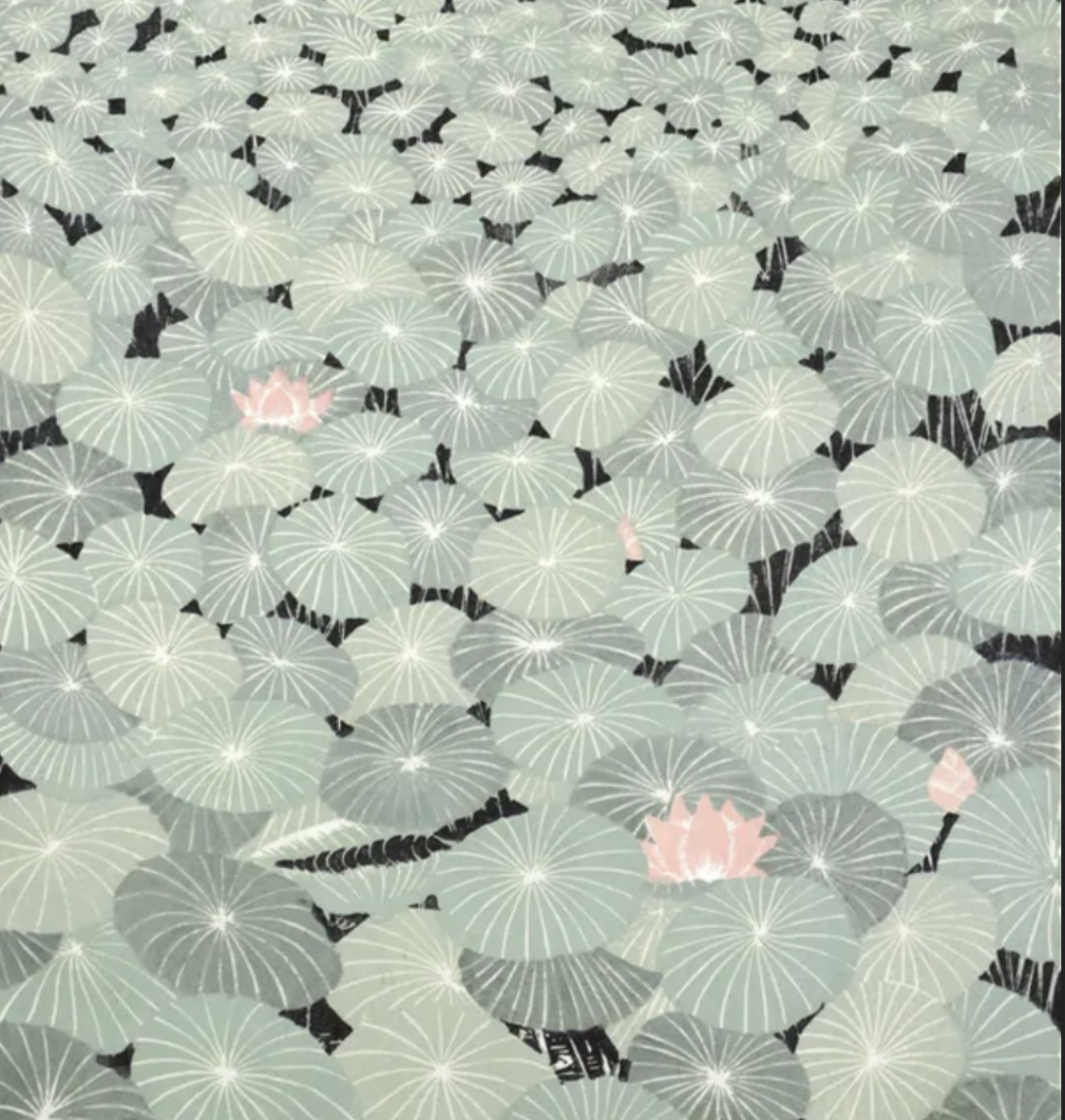
The Leaves

Ficus
Plenty
Bottle Tree Buddha
Tereticornis
Morning Doves, Zen Garden